
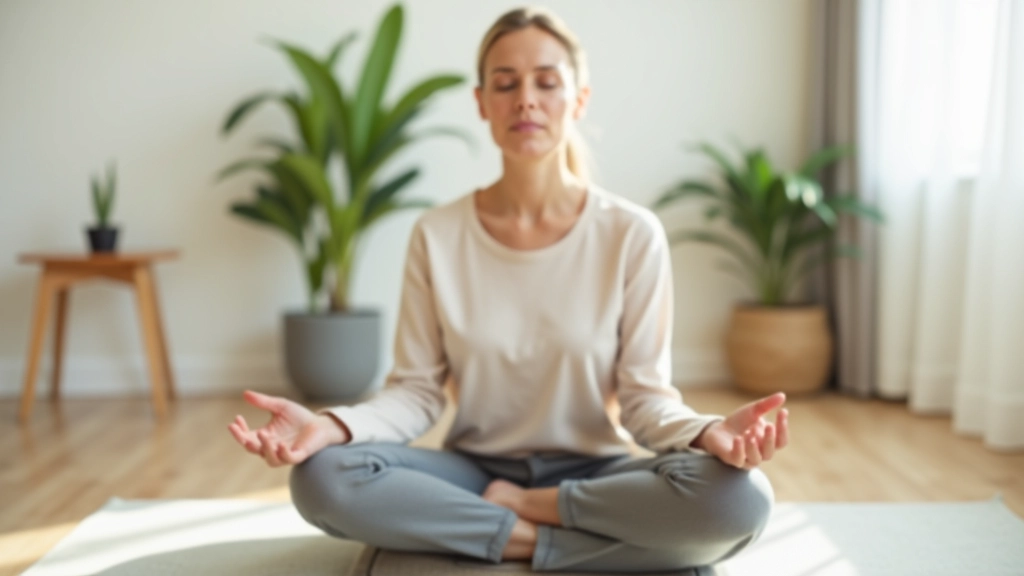
Yoga for Flexibility & Strength After 40
Gentle but effective sequences that build strength without strain. We cover what changes in your body and how to modify poses that feel uncomfortable.
Why Yoga Gets Better After 40
Your body changes around this time. We're not being dramatic — it's just how things work. Muscles take longer to warm up. Flexibility decreases if you're not moving regularly. But here's the good news: you've got decades of life ahead, and yoga works brilliantly for exactly where you are now.
Unlike your twenties when you could push through anything, yoga after 40 teaches you something more valuable. You learn to work with your body instead of against it. You build strength that actually supports your daily life — carrying shopping, playing with grandkids, sitting comfortably through long meetings. The breathing alone makes a difference most people don't expect.
Key Changes in Your 40s
- Muscle recovery takes 48-72 hours instead of 24
- Flexibility decreases about 5% per decade without activity
- Joint mobility matters more than pushing depth
- Balance becomes increasingly important
- Mind-body connection deepens significantly
Building Real Strength Without Strain
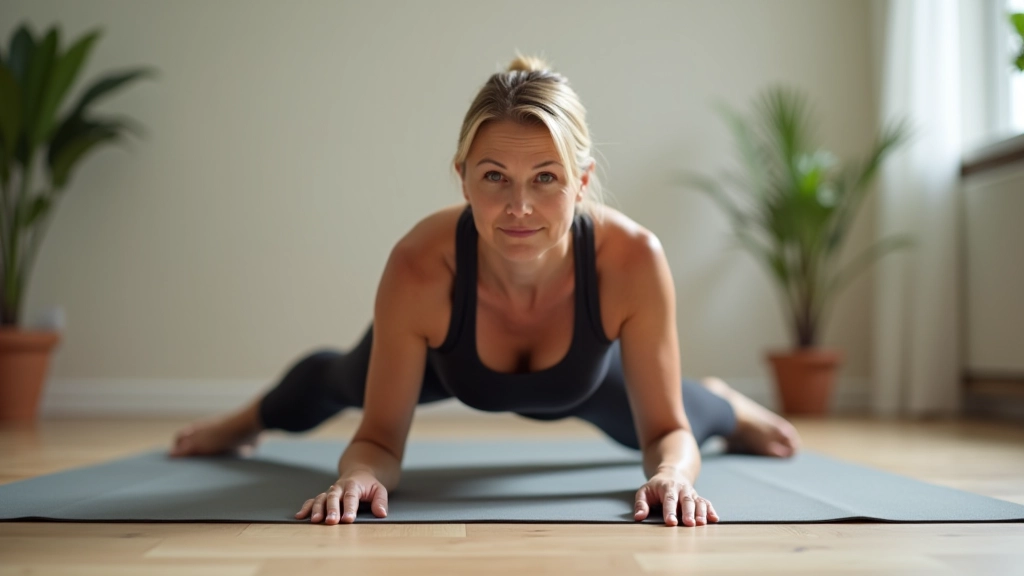
Strength in yoga after 40 isn't about holding difficult poses. It's about creating stability and power in movements you actually use. Think holding yourself steady while gardening. Lifting with your core engaged instead of your back. Standing up from a chair without using your hands.
Most yoga classes don't focus enough on this. They're designed for younger bodies. What you need are poses that build shoulder stability, core endurance, and leg strength in ways that feel manageable. Planks, modified warriors, and gentle arm strengthening sequences become your foundation. You'll notice results in 4-6 weeks if you're consistent — not dramatic transformations, but real functional improvements.
"I wasn't expecting to feel this strong. It's different from the gym. More useful somehow."
— Michelle, 48
Regaining Flexibility the Right Way
Flexibility after 40 needs patience. You can't force it like you might have done in your twenties. Instead, you're working with consistency and breath. The hamstrings tighten naturally over time if you sit a lot — and most of us do. But three 15-minute sessions per week of proper stretching reverses this surprisingly quickly.
The secret is holding stretches longer and breathing deeply. A 90-second hamstring stretch with focused breathing changes your nervous system. You're literally telling your body it's safe to relax those tight muscles. You'll feel looser within days. Within weeks, you'll notice you can reach further, bend easier, and move through life with less stiffness.
Essential Pose Modifications
Every pose has a version that works for your body right now. Here's what changes:
Downward Dog
Standard version strains shoulders if you've got any tightness. Instead: Use a block under your hands. Your shoulders stay relaxed. You get the hamstring stretch without the shoulder load. Much better for building sustainable practice.
Warrior III
Balance gets trickier. Use a wall or chair for support. This isn't cheating — it's smart. You get the leg strength and balance work without risking falls. Progress naturally as your balance improves over weeks.
Seated Forward Fold
Reaching your toes isn't the goal. Lengthening your spine is. Bend your knees. Use a strap around your feet. You'll actually feel the stretch instead of fighting your hamstrings. This works better anyway.
Shoulder Stand
Skip it. Seriously. The neck pressure isn't worth it at this stage. Try legs-up-the-wall pose instead. You get similar calming benefits without any strain. Takes 10 minutes and feels amazing.
Building Your Practice Sustainably
The best yoga practice is one you'll actually do. We recommend starting with two 30-minute sessions per week. That's it. You'll feel the difference. After a month, add a third session if you want. Or stay with two. The point is consistency beats intensity every single time.
Morning sessions work well because you're warming up your body for the day ahead. Evening sessions calm your nervous system before bed. Don't overthink it. Pick times that fit your life. You're building a practice that lasts decades, not cramming results into months.
Here's what to expect: Week one feels awkward. Your body's learning new movement patterns. Week two gets easier — you remember the sequences. By week four, you're noticing you're less stiff. By week eight, friends comment that you seem more relaxed. That's real progress.
Your Next Step
You don't need to be flexible to start yoga. You don't need to be strong either. You just need to show up on the mat with honest effort. Your body will respond. It's remarkable what consistent, gentle practice does over months and years. You're not chasing some ideal body — you're building strength and ease that actually serves your life. That's the whole point.
The best time to start was years ago. The second best time is now.
Related Resources

Important Disclaimer
This article provides informational content about yoga and flexibility work. It's not medical advice or a substitute for professional guidance. If you've got existing injuries, chronic pain, or health conditions, check with your doctor before starting any new exercise routine. A qualified yoga instructor can assess your specific needs and suggest modifications that work for you. Every body is different, and what works brilliantly for one person might need adjusting for another.