
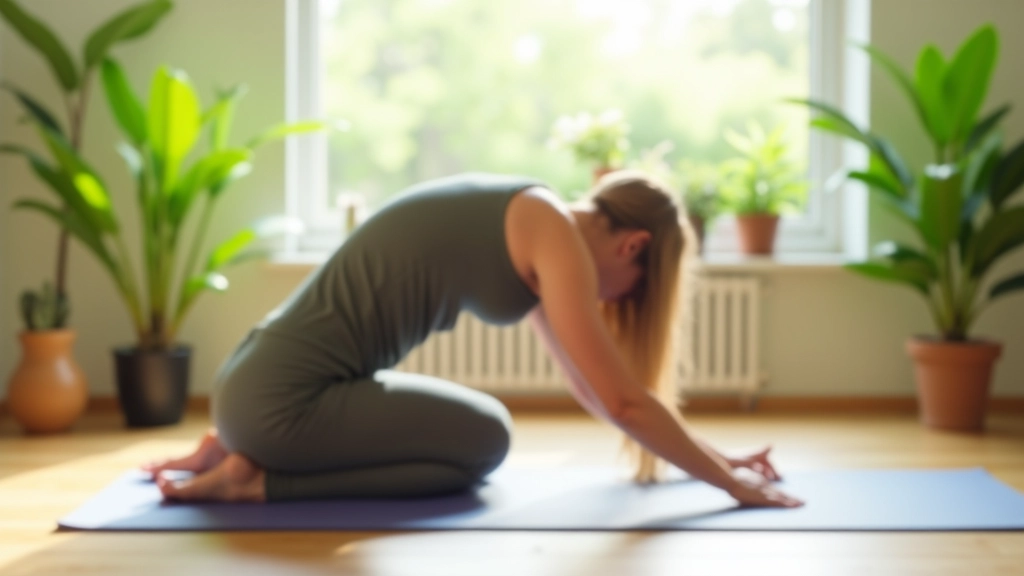
Yoga for Flexibility & Strength After 40
Gentle but effective sequences that build strength without strain. We cover what actually works and what's marketing hype.
Read Article →Doesn't require sitting still for hours. We explain how short daily practices reduce stress and improve sleep — with real techniques you can start today.
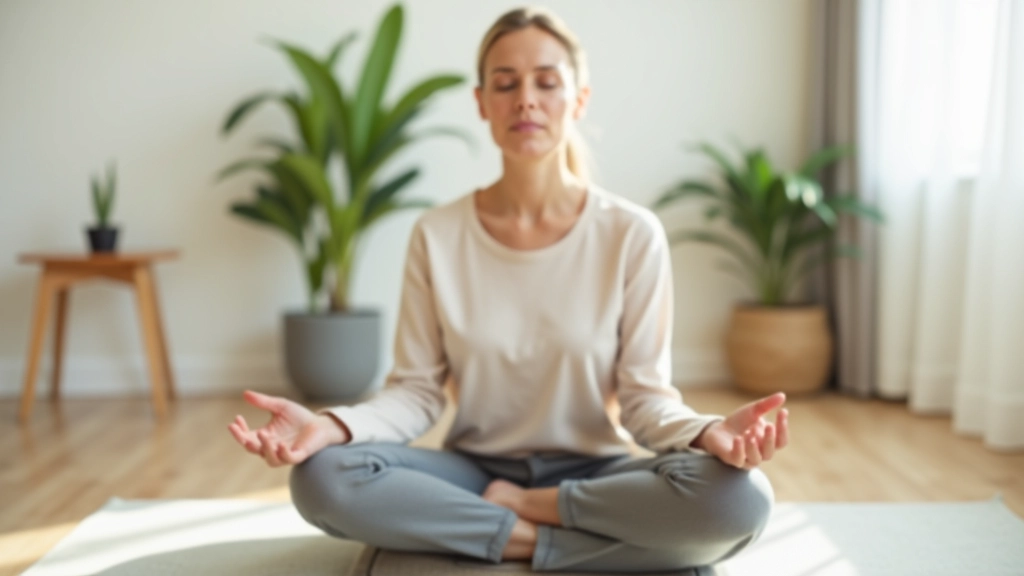
You've probably heard mindfulness mentioned everywhere — at work, on apps, in magazines. Thing is, most people think it means meditating for an hour in complete silence. That's not it at all.
Mindfulness is simply paying attention to what's happening right now. Not judging it, not planning ahead, not rehashing something from yesterday. Just noticing. Your breath. The feeling of your feet on the ground. The taste of your tea. That's genuinely all it is.
The brilliant part? You can do it for 3 minutes. Or 7 minutes. Or 15. And it actually works. Research shows that consistent short practices reduce cortisol levels, improve sleep quality, and help with anxiety better than longer, inconsistent sessions ever could.


Here's what happens when you start a practice: your nervous system changes. Not immediately — we're not making miracle claims — but within 2-3 weeks, most people notice real shifts. Better sleep. Less tension in your shoulders. Easier mornings.
The key is starting small. Too many people jump into 20-minute sessions and quit after a week. Instead, we recommend 5 minutes. That's it. Five minutes, same time each day, ideally morning before checking your phone. You'll build the habit without it feeling like a chore.
Plus, it costs nothing. No equipment, no apps required (though some are helpful if you want them). Just you and your attention. That's why people actually stick with it — there's no friction.
Pick one. You don't need all three. Master one method first, then add others if you want.
Sit comfortably. Close your eyes or soften your gaze. Notice your natural breathing without changing it. Count breaths: in (one), out (two), in (three), out (four), up to ten, then restart. Mind wanders? No problem. Just notice and come back. Five minutes daily is perfect.
Lie down or sit. Start at your toes. Notice any sensations — warmth, tingling, tension, nothing. Slowly move your attention up through your feet, legs, belly, chest, arms, neck, and head. This isn't about relaxing; it's about noticing. Takes about 7-10 minutes and works brilliantly before bed.
Name five things you can see. Four things you can touch. Three you can hear. Two you can smell. One you can taste. This brings you instantly into the present moment. Brilliant for anxiety and can be done anywhere — desk, garden, waiting room. Takes 3-4 minutes.
The hardest part isn't learning techniques — it's consistency. Here's what actually works: anchor your practice to something you already do. Coffee in the morning? That's your cue. Right after breakfast? Perfect. Before bed? Brilliant.
Don't expect to feel amazing immediately. The first week feels awkward. Your mind will race. You'll fidget. That's completely normal and honestly means you're doing it right — you're noticing the chatter instead of being lost in it. Week two gets easier. By week three, you'll genuinely look forward to it.
Most people find that combining two techniques works best. Morning breath awareness (5 minutes) and an evening body scan (7 minutes). That's 12 minutes a day and covers both mental clarity and physical relaxation. Doesn't sound like much, but consistency trumps length every time.

"I can't stop my thoughts." Yep, you won't. Your brain produces thoughts constantly — that's what brains do. Mindfulness isn't about emptying your mind. It's about noticing thoughts without getting tangled up in them. There's a difference between thinking and being lost in thought.
"It feels pointless at first." It does. Stick with it anyway. Around day 10-14 is when people start noticing real changes — slightly less reactive, better sleep, calmer mornings. Give yourself two weeks before deciding.
"I fall asleep." That's fine. If you're doing this in the evening, sleep is a bonus. Morning practices tend to keep people more alert. If you're falling asleep even during morning sessions, you might need more sleep generally — which is worth addressing.
Pick one technique from this article. Choose one time tomorrow morning or evening when you'll practice for just 5 minutes. That's genuinely all you need to start.
The practice changes over time. Some days it's calming. Other days it's energizing. Some weeks you'll notice profound shifts; other weeks nothing obvious happens but your nervous system is still settling. That's all part of it.
Mindfulness isn't something you perfect. It's something you practice. And the practicing itself is the point. Not some distant goal of perfect meditation, but the actual daily work of paying attention to your life as it's happening.
Start tomorrow. Five minutes. You've got this.
Informational Purpose: This article is educational content about mindfulness practices and isn't a substitute for professional mental health advice. If you're managing anxiety, depression, trauma, or other mental health conditions, work with a qualified therapist or counselor alongside any personal practice. Mindfulness can complement professional treatment but shouldn't replace it.