
Swimming for Relaxation & Full-Body Fitness
Low-impact on joints but surprisingly effective. Learn why swimming beats the gym for stress relief and how to build a sustainable routine that feels good.
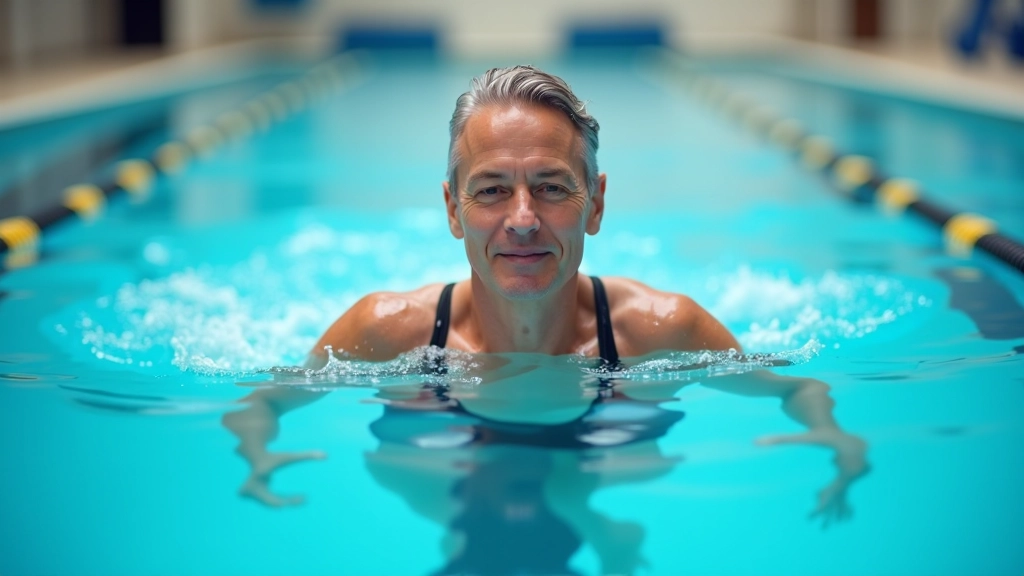
There's something about being in the water. Not frantic lap swimming, but the kind where you slip into a rhythm and suddenly the world gets quiet. That's what draws people back — not just the fitness benefits, though those are real.
Swimming hits different when you're over 40. Your joints don't scream at you. Your breathing becomes a meditation. You're getting stronger without the impact that leaves you sore for days. We'll walk you through what actually works, how to start without feeling lost, and why it's becoming the go-to for busy adults who need both stress relief and real physical conditioning.
What You'll Learn
- Why water-based exercise changes everything
- Specific techniques for relaxation and strength
- Building a routine that actually sticks
- Common mistakes beginners make
The Science of Water & Relaxation
Your nervous system doesn't know the difference between a stressful email and actual danger. Both trigger the same response. Swimming interrupts that cycle in a way running or weights simply can't.
Water pressure creates what's called "hydrostatic pressure" — it gently compresses your entire body. Sounds clinical, but what it actually does is slow your heart rate and deepen your breathing. You're not thinking about your breathing; it's just happening. That shift from "stress mode" to "flow mode" is what makes 30 minutes in the pool feel like 2 hours of meditation.
And the fitness part? You're engaging roughly 85% of your muscles without the joint impact. Your cardiovascular system gets a proper workout. But here's the thing — it doesn't feel brutal. Most people can swim steadily for 30-45 minutes without the mental exhaustion that comes with running or cycling.

"I wasn't expecting to enjoy it. But after three weeks of going twice a week, I noticed I wasn't grinding my teeth at night anymore. The pool became the one place where my brain actually shuts up."
— Margaret, 52
Building Your Swimming Routine
Starting is the hardest part. Most people think they need to do laps at a particular pace. You don't. Not at first. The goal is consistency, not speed.
A realistic beginner routine looks like this: 2-3 times per week, 30-40 minutes per session. Mix it up — one session might be 20 minutes of freestyle, 10 of breaststroke, and finishing with gentle floating. Another might be structured intervals: 4 lengths easy, 2 lengths slightly harder, repeat 4 times. You're building endurance without hammering yourself.
The first two weeks will feel awkward. Your shoulders might be sore. That's normal. By week four, something shifts. Your body remembers what it's doing. Your breathing settles. You stop thinking about technique and just swim.
Four Strokes, Four Benefits
Different strokes work different muscle groups. Here's what each one brings to the table.
Freestyle (Front Crawl)
The most efficient stroke. Great for building shoulder and core strength. Easiest to maintain a steady pace. Best for beginners because you can find your own rhythm without counting strokes.
Breaststroke
Lower intensity but excellent for inner thigh and chest muscles. More meditative pace. Your face stays above water, so breathing feels less panicked. Perfect for when you want to focus on form.
Backstroke
Works your back and shoulders deeply. Takes pressure off the lower back. There's something psychologically different about moving backwards through water — it forces you to be present in a way forward swimming doesn't.
Kick Sets
Using just your legs with a kickboard. Builds leg strength and endurance. Often the hardest workout despite looking easy. Gives your arms a break while keeping intensity up.
Why This Works Better Than You Think
The mental health angle is real. Swimmers report lower anxiety, better sleep, and clearer thinking. That's partly the meditation effect, partly the endorphin release, and partly the fact that you're doing something for yourself with no distractions. No phone. No email. Just you and the water.
Physically, you're building lean muscle without the breakdown that comes with impact sports. Your joints feel better, not worse. Many people with mild arthritis or joint sensitivity find swimming is the only exercise they can do consistently without pain.
And the sustainability factor? You don't dread it. That's huge. You're not white-knuckling through a gym session. You're not dreading tomorrow's run. You're actually looking forward to getting back in the water. That changes everything when you're trying to build a routine that lasts.
Getting Started: Practical Steps
Here's what actually matters when you're new to this.
Find a Pool That Fits Your Schedule
Most community pools have adult lap times outside of school hours. Check what's available in your area. Consistency matters more than finding the "perfect" pool. Close beats fancy.
Invest in Basics Only
Good goggles and a decent swimsuit. That's it. You don't need fins, kickboards, or fancy gear yet. Start simple. Add tools only when you know what you actually need.
Give Yourself Permission to Go Slow
Your first week might be 15 minutes of actual swimming with breaks. That's fine. Build from there. Most people are surprised how quickly their capacity increases — usually within 3-4 weeks.
Track What You Notice, Not Just Metrics
Don't obsess over lap count or speed. Track how you sleep that night. Whether your shoulders feel looser. If you're less irritable. Those changes show up before the physical ones do.
The Bottom Line
Swimming isn't just exercise. It's one of the few activities that genuinely addresses both the physical and mental aspects of wellness. You're getting stronger. You're getting calmer. You're building a habit that actually feels sustainable.
Start small. Pick a pool. Show up twice a week. You'll know within a month whether this is your thing. Most people discover it is — and they wish they'd started sooner.
Ready to Explore More?
Discover other wellness practices that complement swimming and support a balanced lifestyle.
Browse All Wellness Resources

Important Disclaimer
This article is for educational and informational purposes only. It's not medical advice. If you have existing health conditions, joint problems, or haven't exercised regularly in a while, it's worth checking with your GP before starting any new fitness routine. Swimming is generally low-impact and safe, but individual circumstances vary. Your doctor can give guidance specific to your situation. The information here is based on general wellness principles and common experiences — not a substitute for professional medical consultation.